How to Get Your SaaS Tool Recommended by AI Engines
In short
Learn how ChatGPT, Perplexity, and Gemini decide which SaaS tools to recommend — and the practical steps to get your product featured in AI search answers.
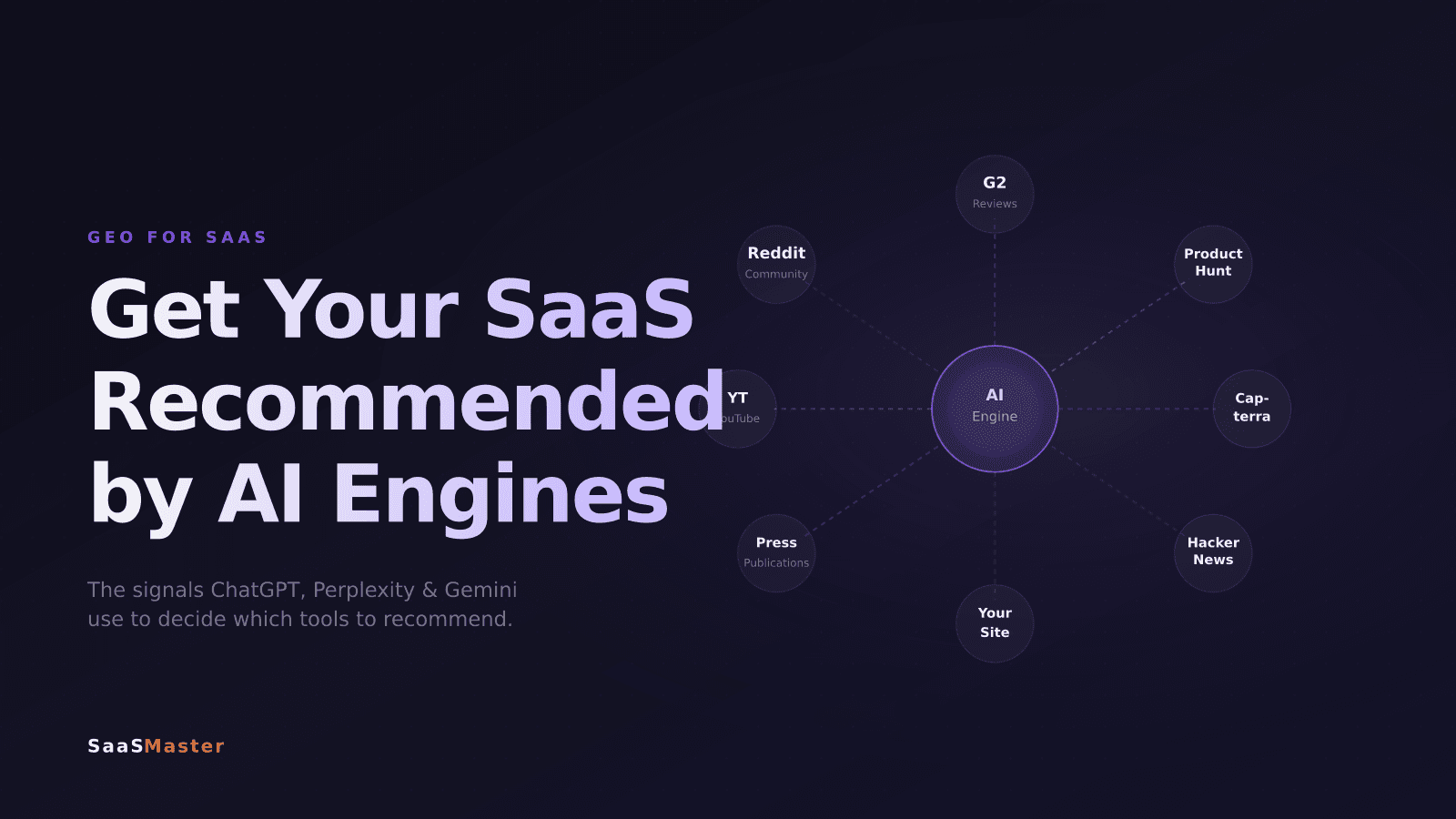
When someone types "what is the best tool for X" into ChatGPT or Perplexity, they almost never click through to compare options. They take the answer they get. If your SaaS product is not in that answer, you do not exist in that moment — even if you rank number one on Google for the same query.
Getting recommended by AI engines requires a different playbook than traditional SEO. The signals are different, the timelines are different, and the leverage points are in places most SaaS teams are not looking. Here is how it works and what to do about it.
Key takeaways
- AI engines pull from third-party sources — your website alone is not enough to get recommended
- G2, Reddit, and YouTube are among the most-cited sources for SaaS recommendations across ChatGPT and Perplexity
- Consistent, specific positioning across sources signals high confidence to AI models
- Blocking AI crawlers in your robots.txt is a silent killer — check this before anything else
- Results from technical fixes appear in 2-6 weeks; community presence takes 3-6 months
How AI engines decide what to recommend
Traditional search ranks pages. AI engines synthesize answers from a wide set of sources — your website, third-party reviews, community forums, directories, press mentions, YouTube, and cached training data. The weighting varies by engine, and understanding those differences is where the strategy starts.
Research analyzing 41 million AI search results found that comparative listicles ("best tools for X") account for 32.5% of all AI citations. Opinion and review content captures nearly 10%. Product pages themselves? Under 5%. What others say about your product matters far more than what you say about it.
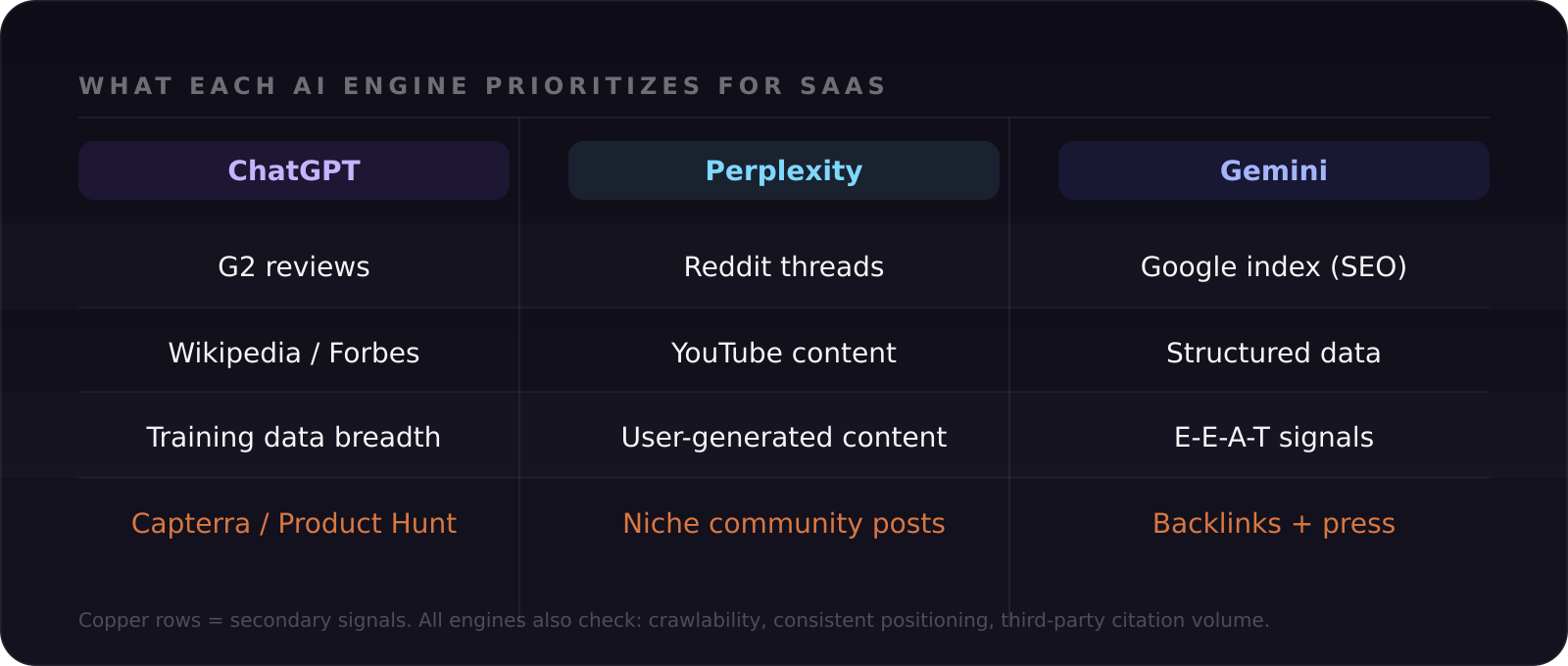
Each AI engine has its own source hierarchy for SaaS recommendations. ChatGPT heavily cites G2, Wikipedia, Forbes, and Amazon. For B2B SaaS, G2 is the 4th most-cited source across the tech category. Perplexity skews strongly toward user-generated content, with Reddit dominating at over 3.2 million references — YouTube comes in second at 906,000. Gemini pulls from Google's index broadly, which means traditional SEO signals (backlinks, E-E-A-T, structured data) still matter here more than on the others.
Step 1: Audit your AI crawlability
Before anything else, check whether AI engines can actually reach your site. Many SaaS companies unknowingly block AI crawlers in their robots.txt file, and those companies simply do not appear in AI responses regardless of everything else they do.
The major crawlers to allow: GPTBot (OpenAI), ClaudeBot (Anthropic), PerplexityBot, and GoogleOther (Gemini's crawler). Check your robots.txt at yourdomain.com/robots.txt. If any of these are disallowed, remove the rule. This is a five-minute fix that can unblock months of compounding signal.
Step 2: Build a complete G2 profile
G2 is the single highest-leverage third-party platform for SaaS AI visibility. A thin or outdated G2 profile is a missed signal that affects every AI engine that references it.
A strong G2 profile includes detailed feature descriptions that use the exact language your customers use, at least 25 verified reviews that mention specific use cases (not just generic praise), case study summaries in the vendor response section, and updated category and sub-category tags.
The specificity of reviews matters enormously. "Great tool, five stars" gives an AI model almost nothing to synthesize. "We use it to automate client reporting, saving our team six hours a week" is the kind of concrete detail AI engines can quote and contextualize in an answer.
Step 3: Participate in Reddit authentically
Reddit is the dominant source for Perplexity and a major signal for ChatGPT. The key word is authentically. Promotional posts or obvious brand accounts get flagged by the community and carry no positive signal — they can actually create negative associations.
The right approach: find three to five subreddits where your target users ask questions. Answer questions helpfully without always mentioning your product. When someone asks about a problem your tool solves, explain the solution and mention your product as one option among several. Build thread history before you need it. An account with 50 genuine, helpful comments carries real signal. A new account with one post promoting a product carries none.
Step 4: Create content that gets cited
AI engines cite content that is specific, structured, and comprehensive. The formats that get cited most: comparison articles, numbered guides, and definition articles that establish what a concept means.
For SaaS products, the content that earns AI citations tends to include statistics or quantitative claims with sources, quotes from named practitioners or real customers, direct answers to "who is this for" and "what does it actually do," and clear H2 headers that match how people phrase questions.
This is also where product demo videos become a GEO asset. YouTube is the second most-cited source in Perplexity after Reddit. A video that clearly explains what your product does — with a detailed description and a transcript — feeds AI models information in a format they actively pull from.
Step 5: Keep your positioning consistent everywhere
AI engines treat consistency as a quality signal. When your product description, key features, and positioning appear the same way across your website, G2, press mentions, and community discussions, the model treats that agreement as high-confidence information.
Inconsistency works against you. If your homepage says "project management for agencies" but your G2 listing says "task tracker for remote teams," the model has conflicting signals and may simply pass over you in favor of a product with clear, consistent positioning across all sources.
Write one canonical paragraph describing what your product does and who it is for. Use it everywhere. Update it everywhere simultaneously when your positioning changes.
Step 6: Earn mentions on domains AI engines trust
For B2B SaaS, the highest-authority domains for AI citations beyond G2 are Capterra, Product Hunt, TechCrunch, Hacker News, and niche industry publications your buyers actually read.
For developer tools specifically, Hacker News, Stack Overflow, and GitHub collectively carry more weight in AI recommendations than G2 does. If your product serves developers, that is where the citation effort belongs.
Getting a strong Product Hunt launch — top five in your category — creates a high-authority mention and community discussion that feeds both traditional and AI search for months.
How video content fits in
Building a library of product tutorials and demo content on YouTube is one of the slower but most durable GEO strategies for SaaS companies. It takes 3-6 months to build real signal, but a well-structured SaaS video marketing strategy creates AI-citable assets that stay relevant far longer than most written content.
The key is specificity. A video titled "How to set up automated reporting in [your tool]" gives AI engines a clear, quotable asset about a specific capability. A video titled "Company overview" does not. For teams building AI product video content, how to explain complex software covers the narrative approach that also translates to better AI citation.
What a realistic timeline looks like
Technical fixes — unblocking crawlers, updating your G2 profile, fixing inconsistent positioning — typically surface in AI search results within two to six weeks. That is significantly faster than traditional SEO and entirely worth doing first.
Community presence on Reddit and third-party citation building is a 3-6 month effort before it becomes a meaningful signal. YouTube compounds over a similar timeframe. Neither replaces the other — the SaaS companies showing up most consistently across AI engines are the ones doing all of it: clean crawlability, strong review profiles, authentic community presence, and a content library that gives AI engines something concrete to synthesize.
Frequently asked questions
How long does it take to appear in AI search recommendations?
Technical fixes like unblocking AI crawlers and completing your G2 profile typically show results in 2-6 weeks. Community-building on Reddit and third-party citation work takes 3-6 months to become a meaningful signal in AI recommendations.
Does traditional SEO still matter for AI engine visibility?
Yes, especially for Gemini, which pulls heavily from Google's index. But traditional SEO rankings alone do not guarantee AI visibility — you also need third-party presence in the form of reviews, community discussions, and press citations that AI engines can synthesize into an answer.
Do AI engines use YouTube content?
Yes. YouTube is the second most-cited source in Perplexity after Reddit. Product tutorial videos with detailed descriptions and transcripts feed AI models information they actively reference when recommending tools.
Was this article helpful?
Jorge Aguilar
Founder & Creator, SaaS Master
Producing SaaS and AI product videos since 2019 — 800+ videos for 200+ brands, covering tutorials, demos, walkthroughs, and explainers. Writing here about the tools, trends, and tactics that actually move the needle. LinkedIn · About · Work with me
Building an AI product that needs a clearer onboarding flow?
Client-owned videos that make your product easy to understand — demos, walkthroughs, onboarding, and explainers.
Explore AI product video productionRelated guides
More AI Tools & AI Workflows →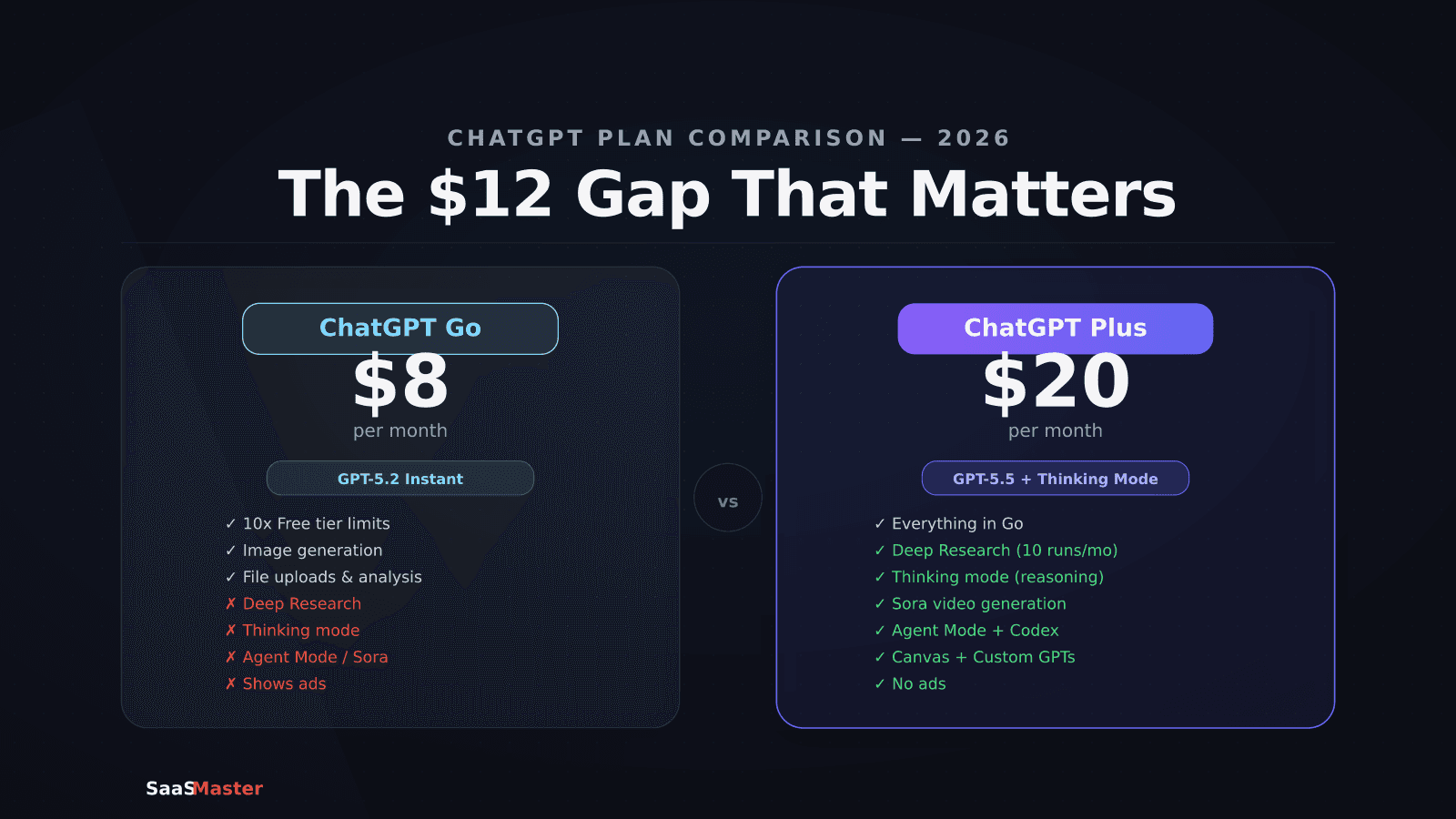
ChatGPT Go vs Plus in 2026: The $12 Gap That Changes Everything
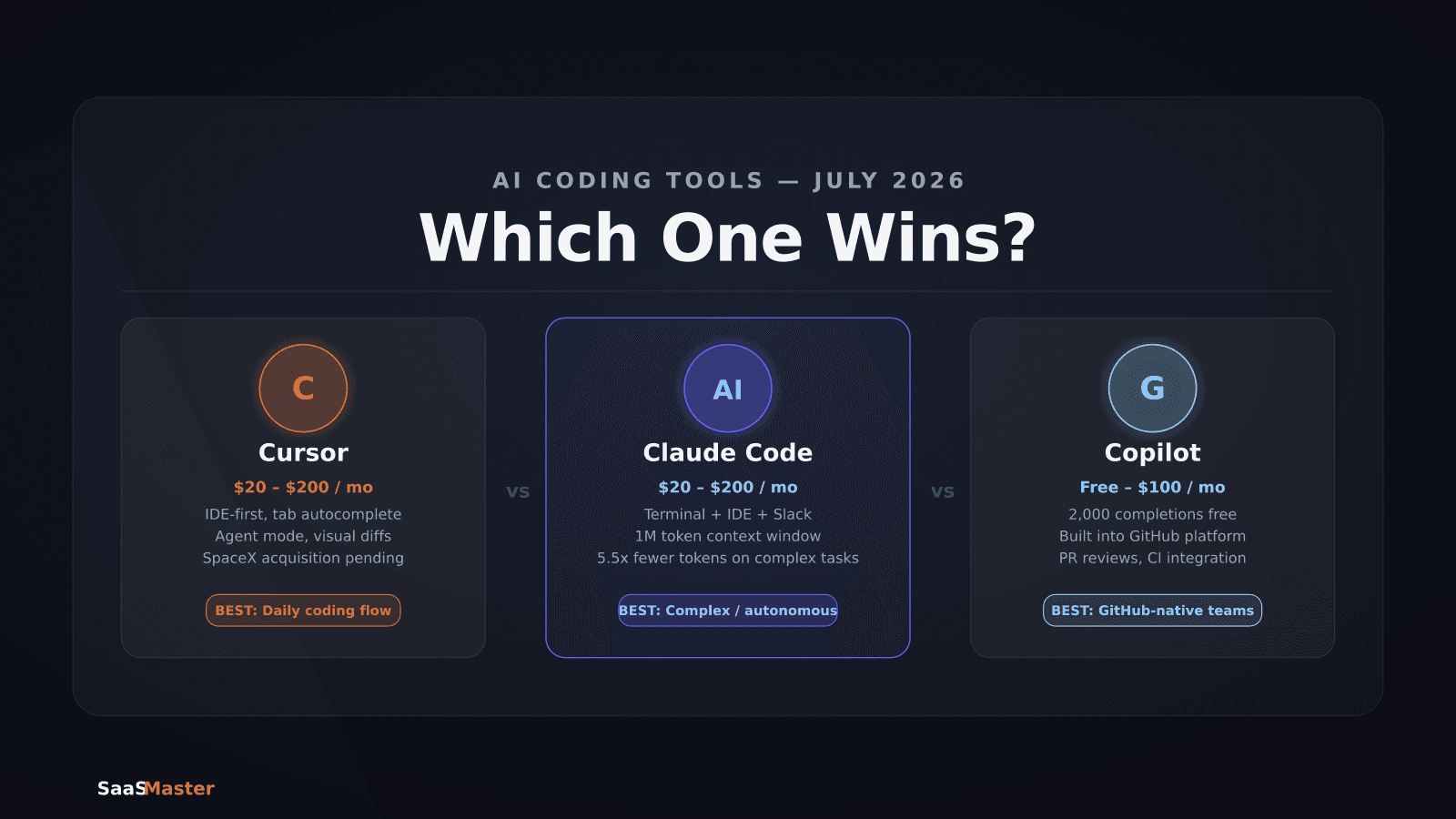
Cursor vs Claude Code vs GitHub Copilot in 2026: Which AI Coding Tool Is Worth Your Money?
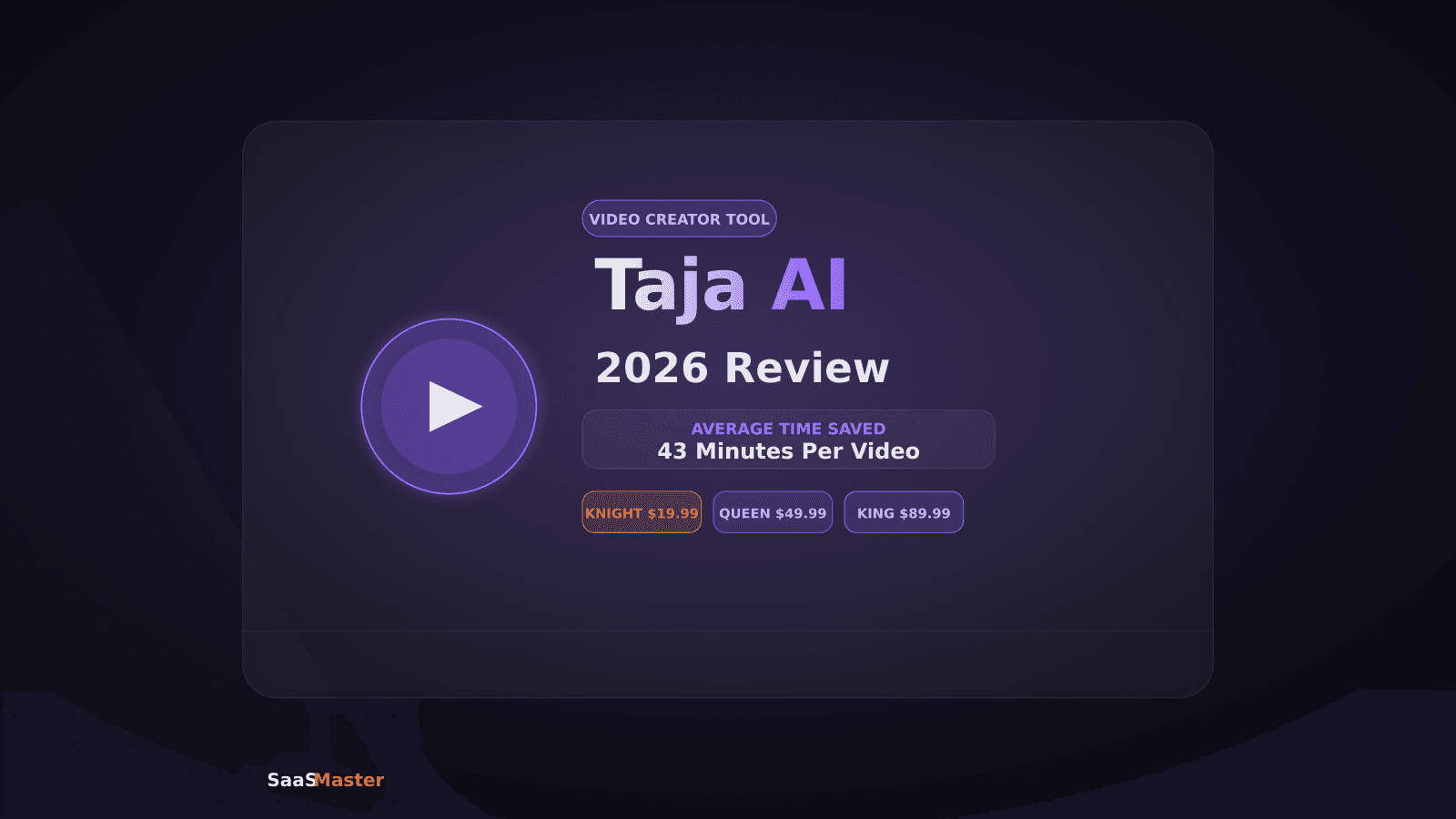
Taja AI Review 2026: Turn Your YouTube Videos Into a Full Content Machine